
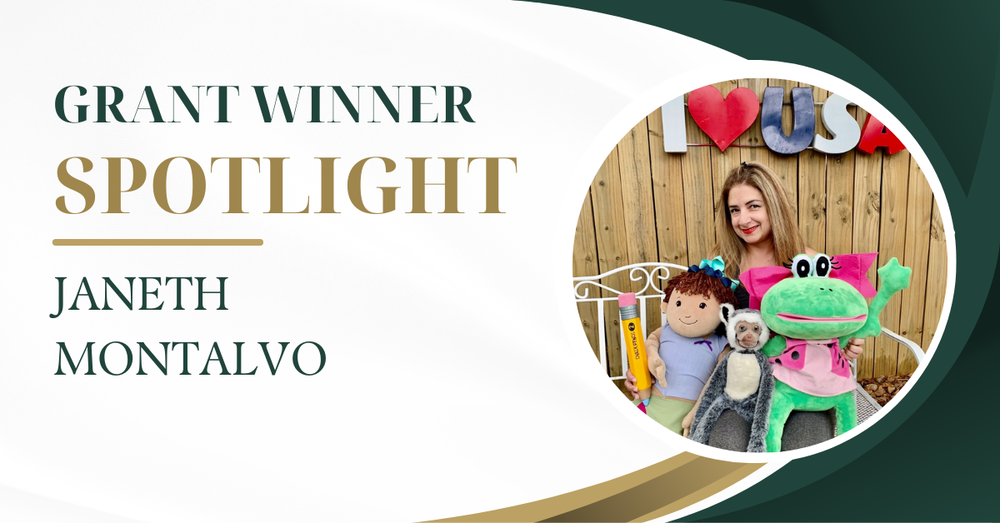
In a Pre-K bilingual classroom where curiosity, language, and identity are developing simultaneously, Janeth Montalvo has spent nearly two decades creating meaningful learning experiences for her students. With 19 years of teaching experience, her commitment to early childhood education is rooted in a deep understanding that these formative years lay the groundwork for lifelong learning. That belief inspired her to apply for a grant designed to expand opportunities for her young learners—particularly those navigating both language development and cultural identity. For Montalvo, receiving the grant is both a personal and professional milestone, affirming her dedication while opening new possibilities to better serve her students.
Her classroom initiative, “Illuminating Learning: Exploring the World Through Light and Color,” transforms a traditional sensory center into a dynamic hub for hands-on STEAM exploration. At the heart of the project is a color-changing light table that invites students to investigate concepts such as color mixing, reflection, shadows, translucency, letters, shapes, and numbers. Through guided play and creative discovery, students engage in activities that not only build academic understanding but also strengthen fine motor, language, and social-emotional skills. The environment becomes one where imagination and inquiry naturally come together, allowing students to explore the world in ways that feel both exciting and meaningful.
The impact of this grant on student learning is significant. By introducing interactive, sensory-rich experiences, abstract concepts become tangible and accessible for young learners. For bilingual Pre-K students, this approach is especially powerful. It encourages them to describe their observations, ask questions, and communicate with peers in both languages, naturally supporting language development. As they manipulate materials and experiment with light, water, and sand, they are also building early literacy and math skills in an engaging, developmentally appropriate context. The collaborative nature of these activities fosters social-emotional growth, helping students develop confidence, teamwork, and problem-solving abilities.
Montalvo’s goals for the project extend beyond individual lessons. She aims to strengthen her students’ understanding of foundational STEAM concepts while nurturing their critical and creative thinking. By integrating letters, numbers, and shapes into hands-on activities, she is reinforcing essential academic skills in ways that feel organic and enjoyable. At the same time, she is cultivating curiosity and a genuine love of learning—qualities that will support her students throughout their educational journeys.
This initiative reflects her teaching philosophy, which centers on the idea that young children learn best through active, play-based experiences. In her classroom, learning is not passive; it is something students do, explore, and experience together. As a bilingual educator, she intentionally creates an inclusive environment where all students feel seen, valued, and capable, regardless of their language level. The light table enhances this approach by making learning interactive and accessible, allowing every child to participate and succeed.
One of the key challenges Montalvo sought to address through the grant was the limitation of classroom resources. In a bilingual Pre-K setting, access to high-quality, hands-on materials is essential but not always readily available. Sensory-based learning tools like a light table can make a significant difference, yet they are often difficult to obtain within standard budgets. This grant helps bridge that gap, enabling her to provide consistent, meaningful STEAM experiences that meet the diverse needs of her students.
Her students have already shown how powerful these experiences can be. During sensory activities involving materials like water, sand, and shaving cream, they demonstrate natural curiosity and enthusiasm—exploring textures, mixing elements, and observing changes. These moments often spark rich conversations in both languages, as students eagerly share what they see and feel. Montalvo has observed that even quieter students and those receiving special education services become more engaged and confident during these hands-on activities. With the addition of the light table, she anticipates even deeper levels of exploration, creativity, and collaboration.
Support from the Alief Independent School District Education Foundation is crucial to making projects like this possible. By providing resources that go beyond limited classroom budgets, the foundation empowers teachers to bring innovative ideas to life. This support not only enhances student learning but also reinforces the value of educators’ work, encouraging creativity and dedication across the district.
For fellow educators considering applying for grants, Montalvo offers heartfelt advice: believe in your ideas and take the opportunity. She emphasizes the importance of focusing on student needs and clearly communicating the impact a project will have on learning. Passion, experience, and a strong vision can turn an idea into a transformative classroom experience.
Looking ahead, Montalvo is committed to sustaining and expanding this project. She plans to integrate the light table into daily learning centers, rotating materials to keep activities fresh and engaging. Its durability ensures that it will remain a valuable resource for years to come. She also hopes to collaborate with colleagues, share ideas within her grade level, and explore additional funding opportunities to continue growing the program. Through these efforts, she aims to ensure that the project remains an evolving and lasting part of her classroom—one that continues to inspire curiosity, creativity, and a love of learning in every student who experiences it.