
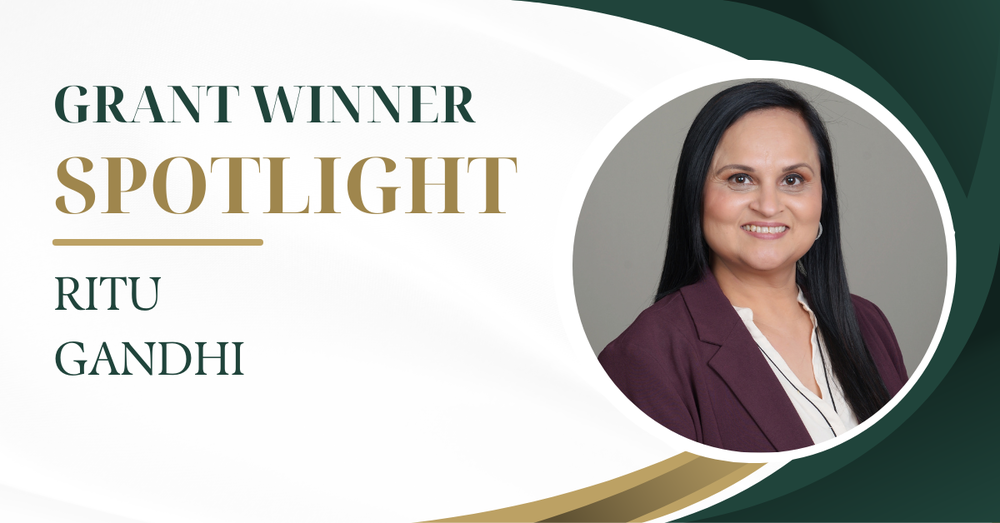
For Ritu Gandhi, a Science and Technology Specialist at a Title I campus, the inspiration to apply for a grant came from witnessing both the potential and the unmet needs of her students. Every day, she saw their curiosity and capability—especially when learning became hands-on, collaborative, and meaningful. At the same time, she recognized an equity gap in access to high-quality STEM experiences. Determined to bridge that gap, Gandhi pursued funding to bring transformative opportunities to her school.
Receiving the grant is both a personal honor and a professional milestone. It affirms her belief that all students deserve access to innovative learning experiences that allow them to explore, create, and dream beyond limitations. Professionally, the grant enables her to expand her leadership role by building sustainable systems, empowering teachers, and launching a program with the potential to reshape learning across the campus.
The initiative centers on the launch of a First LEGO League Robotics program for students in grades 2 through 4. This comprehensive effort includes installing robotics software on classroom devices, purchasing LEGO STEM and Story Starter kits, and providing professional development for teachers. By equipping both students and educators, the program ensures that robotics becomes an integrated part of everyday instruction rather than a standalone activity.
Gandhi anticipates a powerful shift in how students experience learning. Through robotics, instruction moves from passive to active, inquiry-based engagement. Students design, build, code, test, and reflect—mirroring the work of real engineers. This process not only strengthens problem-solving and collaboration but also integrates multiple disciplines, including reading, writing, math, and science. Most importantly, it helps students begin to see themselves as capable thinkers, creators, and future innovators.
The goals of the program are both immediate and long-term. Gandhi aims to increase student engagement in STEM while building foundational skills in engineering and computational thinking. She also seeks to strengthen collaboration and problem-solving abilities, expand family involvement through STEM events, and establish a sustainable pathway toward participation in First LEGO League competitions. Over time, she hopes the program will spark lasting curiosity and career awareness that extends well beyond elementary school.
This initiative closely reflects Gandhi’s teaching philosophy, which emphasizes learning through doing. She values project-based learning, real-world connections, and the development of the “4Cs”: critical thinking, communication, collaboration, and creativity. Robotics naturally supports these principles, creating a dynamic environment where students learn through exploration rather than memorization. Equally important is her commitment to empowering teachers, ensuring they feel confident and equipped to deliver meaningful STEM instruction.
The grant also addresses key challenges faced by her campus. Limited access to hands-on STEM experiences—particularly in a Title I setting—has historically restricted opportunities for students. Additionally, many teachers need support and training to feel confident integrating STEM into their classrooms. By providing both resources and professional development, the initiative tackles these challenges holistically, allowing students and teachers to grow together.
While the program is just beginning, Gandhi already envisions its impact. She anticipates classrooms filled with students who take ownership of their learning—collaborating on designs, revising their work, and proudly presenting their creations to peers and families. These moments of confidence and teamwork are central to the program’s success.
Gandhi also emphasizes the broader importance of support from the Education Foundation. Such funding empowers educators to think creatively and pursue ambitious ideas that directly benefit students. By removing financial barriers, the foundation fosters innovation, collaboration, and long-term instructional growth across Alief Independent School District.
For educators considering applying for grants, Gandhi encourages bold thinking. She advises focusing on student impact, aligning ideas with clear needs and goals, and confidently proposing innovative solutions. Above all, she emphasizes the importance of believing that students deserve these opportunities.
Looking ahead, Gandhi is committed to sustaining and expanding the program. Plans include embedding robotics into the curriculum through engineering design challenges, training additional staff, and offering expanded after-school opportunities. She also hopes to build partnerships with engineers and STEM professionals while establishing competitive robotics teams. As the program grows, it has the potential to scale across grade levels and serve as a model for other campuses.
Through her leadership and vision, Ritu Gandhi is not only introducing robotics—she is opening doors to possibility, ensuring that her students are equipped to imagine, create, and lead in a future driven by innovation.