
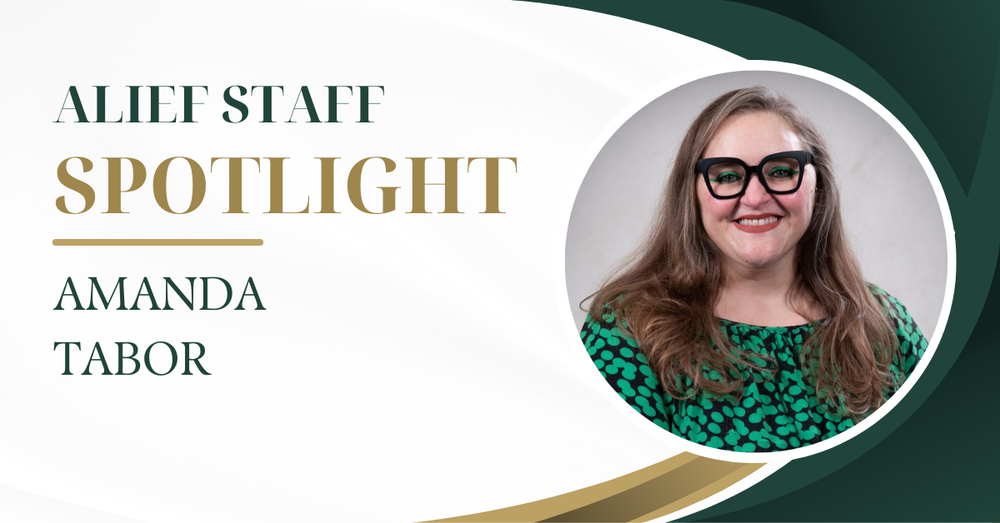
For Amanda Tabor, Lead Music Teacher at Mahanay Elementary, music education is about far more than learning notes and rhythms—it is about building a strong foundation that students can carry with them for years to come. Her vision centers on ensuring every student develops essential music skills and knowledge while also being exposed to a wide variety of musical genres. By introducing students to music beyond what they hear in mainstream media, Tabor helps cultivate an appreciation for diverse cultures, traditions, and artistic expression.
At the heart of her program is a deep understanding that every student learns differently. Tabor thoughtfully sets realistic, individualized goals, recognizing that some students may face challenges with coordination, pitch, or rhythm. By meeting students where they are, she ensures growth is both meaningful and achievable, reinforcing the idea that success in music looks different for everyone.
What truly sets Mahanay’s music program apart is its strong sense of community. Each year brings a new dynamic shaped by the students themselves, yet one constant remains: a welcoming, respectful environment where every child feels valued. Tabor fosters a culture of encouragement, often reminding her students, “We want to be encouraging, not discouraging.” This philosophy creates a compassionate classroom where students celebrate one another’s achievements and grow together as musicians and individuals.
Music, as Tabor emphasizes, supports the whole child. Participation enhances literacy, mathematical reasoning, memory, and cognitive development, while also building critical social skills such as teamwork, confidence, discipline, and cultural awareness. In her classroom, students don’t just learn music—they experience collaboration and connection, forming bonds that extend beyond the school day.
One powerful example of music’s impact came when a group of refugee students joined the school with limited English proficiency. Despite language barriers, music became a universal bridge. Through movement and shared participation, classmates encouraged one another, and within months, these students confidently performed alongside their peers. Some even progressed to delivering speaking parts on stage—an inspiring testament to the inclusive and empowering nature of the program.
Beyond technical skills, students in Tabor’s classroom develop confidence, public speaking abilities, and a deeper appreciation for music in all its forms. Leadership and teamwork naturally emerge as students take ownership of their roles in performances, understanding that every contribution is essential to the final production. Creativity is also a key component, with opportunities for students to bring personality and expression into spoken word pieces, evaluate their own progress, and contribute ideas to enhance performances.
Preparation for performances is both intentional and collaborative. Students begin by familiarizing themselves with the entire program—music and spoken parts alike—before building confidence through rehearsal, memorization, and character development. These performances become meaningful moments not only for students, but also for families, who witness their children shine in ways that extend beyond academics. They also serve as powerful opportunities to strengthen the connection between school and community, celebrating the many talents students bring to the classroom.
Among Tabor’s many memorable moments, one stands out: a quiet fourth-grade student who surprised everyone during a talent show audition with a powerful singing voice and newfound confidence. On performance day, his transformation was undeniable, earning enthusiastic applause and admiration from peers, teachers, and family. Today, he continues to stay connected, sharing his musical journey—an example of the lasting impact of a supportive music program.
Inspired by her own music teachers, Tabor has dedicated 22 years—all in Alief ISD—to creating similar transformative experiences for her students. She remains motivated by a commitment to lifelong learning, continually seeking new ideas and approaches to inspire both herself and her students. Watching children grow from kindergarten through fourth grade, both as musicians and individuals, is one of the most rewarding aspects of her work.
Looking ahead, Tabor defines long-term success as students continuing their involvement in music and carrying the skills they’ve gained—confidence, teamwork, discipline—into all areas of life. She hopes they remain curious, open to new musical experiences, and appreciative of cultures different from their own.
For families and community partners, supporting music education can be as simple as showing up—attending performances, celebrating student achievements, and recognizing the dedication behind each program. Through that support, the impact of music education continues to grow, enriching not only students, but the entire school community.