
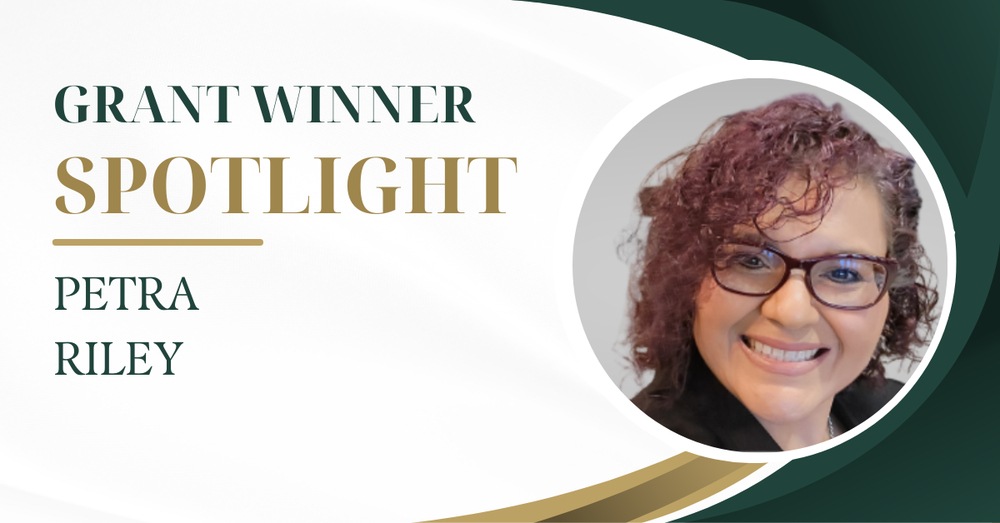
For Petra Riley, the path to launching a transformative STEM initiative began with recognizing a gap. At Boone Elementary, students had limited exposure to coding and robotics—an absence that stood in contrast to the growing importance of these skills in today’s world. Determined to change that, Riley applied for a grant to bring hands-on, future-focused learning opportunities to her campus.
Her motivation was rooted in both student need and educational vision. Riley observed that many students struggled with productive struggle and conceptual thinking—skills essential not only in STEM but across all areas of learning. She saw coding and robotics as powerful tools for helping students develop perseverance, creativity, and problem-solving skills in an engaging, meaningful way. Receiving the grant has been deeply significant, affirming the value of early STEM education while empowering her to bring innovative experiences directly to her students. Professionally, it reinforces her commitment to cultivating curiosity and resilience in young learners.
The grant supports the creation of the Boone Bears Coding & Robotics Innovators Club, a year-long program designed for 3rd and 4th grade students. Through this initiative, students explore coding and engineering concepts using LEGO Computer Science and AI kits. They participate in coding challenges, construct robotic models, and engage with STEAM concepts aligned with TEKS standards. As Boone Elementary’s first robotics and AI-focused program, the club represents a major milestone for the campus. The experience culminates in fall and spring showcases, where students present their projects and demonstrate their growing computational thinking skills.
Riley expects the impact on students to be both immediate and lasting. The program introduces a dynamic learning environment where students actively experiment, collaborate, and solve problems. For many, this will be their first encounter with coding and robotics—an opportunity that not only builds technical skills but also fosters confidence and curiosity. By engaging in hands-on learning, students strengthen critical thinking while developing perseverance and creativity.
The initiative is guided by clear and measurable goals. Riley aims for students to design and code functional robotic models while strengthening teamwork through collaborative challenges. The showcases will serve as platforms for students to share their work, while assessments such as observations, reflections, and project rubrics will track progress. Ultimately, the program seeks to deepen computational thinking and increase overall engagement in STEM learning.
At its core, the project reflects Riley’s constructivist teaching philosophy: students learn best by doing. She believes that meaningful learning happens when students actively participate, explore ideas, and work through challenges. The Coding & Robotics Innovators Club embodies this approach, creating a student-centered environment where discovery and collaboration drive understanding.
The grant also addresses a critical challenge—the lack of a structured coding and robotics program on campus. By introducing a sustained, year-long initiative, Riley is helping bridge this gap and ensuring students gain early exposure to essential STEM experiences. The program not only builds technical knowledge but also nurtures resilience and creativity through hands-on exploration.
While the initiative is still in its early stages, Riley already envisions the excitement it will spark. She anticipates moments of pride as students watch their coded creations come to life and collaborate to overcome challenges. The showcases, in particular, are expected to be powerful celebrations of student growth, where learners confidently present their work and reflect on their achievements.
Beyond the classroom, Riley emphasizes the broader importance of support from the Education Foundation. Such funding enables teachers across Alief Independent School District to implement innovative ideas without financial barriers. It empowers educators to enhance instruction, increase engagement, and align learning with future-ready skills—ultimately enriching the educational experience for all students.
For educators considering applying for grants, Riley offers thoughtful advice: focus on a genuine need and design a project with a clear, measurable impact. She encourages creativity and innovation, reminding teachers that grants can be powerful tools for transforming instruction and expanding students' opportunities.
Looking ahead, Riley is committed to sustaining and expanding the program. She plans to continue using the LEGO kits, integrate coding into everyday classroom instruction, and grow the club to include more students each year. Through ongoing showcases and professional collaboration, she hopes to extend the initiative’s impact across the campus—ensuring that STEM innovation remains a lasting part of Boone Elementary’s learning culture.
Through her leadership and vision, Petra Riley is not just introducing coding and robotics—she is inspiring a new generation of thinkers, creators, and problem-solvers.